

Headstone Lane removals access solutions for tight drives
Posted on 26/06/2026
Headstone Lane Removals Access Solutions for Tight Drives
If you are moving in or around Headstone Lane, the hardest part is often not the lifting. It is the access. Tight drives, parked cars, awkward corners, low branches, and a van that is just a bit too large can turn a simple move into a stressful shuffle. That is exactly where Headstone Lane removals access solutions for tight drives make a real difference.
In practice, good access planning saves time, reduces breakages, and keeps everyone calmer on moving day. It also means the job is more likely to finish on schedule, which, let's face it, matters a lot when you are juggling keys, cleaners, landlords, children, or an impatient completion time. This guide breaks down how access planning works, what options you have, and how to make a tight-drive move feel surprisingly manageable.
For broader moving help, it can also be useful to look at the full range of removal services and, if you are dealing with bulky items, specialist furniture removals in Harrow. Both are relevant when access is constrained and you need a practical approach rather than a one-size-fits-all van.
Why Headstone Lane removals access solutions for tight drives Matters
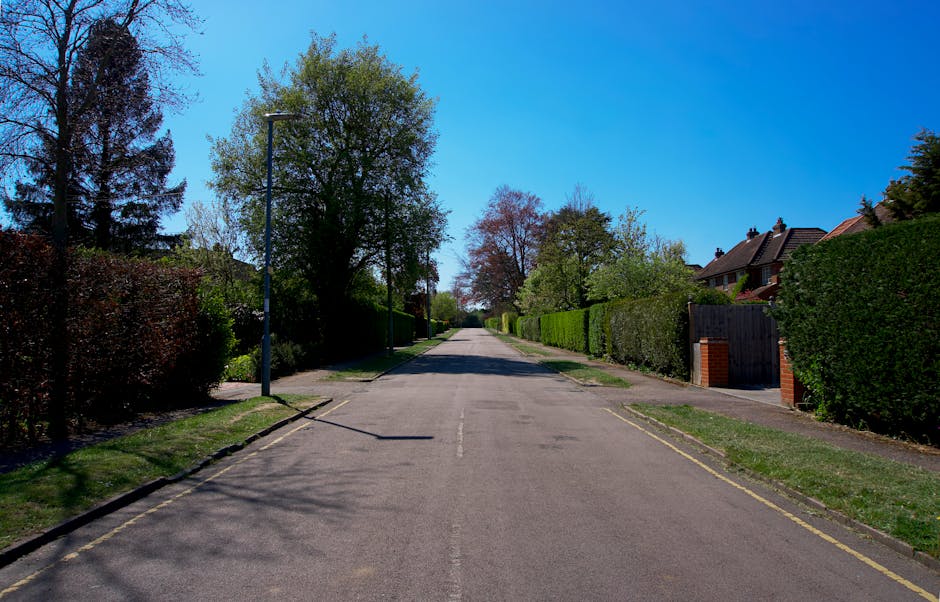
Access is one of those things people underestimate until they are standing at the front gate, staring at a van that will not quite fit. Headstone Lane and the surrounding Harrow streets can include narrow entrances, limited turning space, shared drives, and on-street parking that makes loading slower than expected. Even a perfectly organised home can become awkward if the vehicle cannot get close enough.
That matters for three simple reasons. First, the longer the carry distance, the longer the move takes. Second, the more steps involved, the higher the chance of scuffed walls, doorframe knocks, or back strain. Third, access problems can force last-minute changes, and those are rarely cheap or pleasant. You probably know the feeling: everything is packed, and suddenly the whole schedule depends on whether the van can reverse five metres without a parked hatchback getting in the way. Not ideal.
Good access solutions are about reducing friction before it happens. That can mean using a smaller vehicle, planning a shuttle from a wider road, managing parking timing, removing obstacles, or splitting the move into staged loads. The right solution depends on the property, the street layout, and what you are actually moving.
If you want local moving advice that reflects the realities of nearby streets and flats, the guide on moving through narrow streets in Harrow is a useful companion read. It speaks to the same basic challenge: how to stay efficient when the road layout works against you.
How Headstone Lane removals access solutions for tight drives Works
Most access planning starts before moving day, ideally with a brief survey or at least a clear phone conversation. A removal team will usually want to know the width of the drive, whether there is turning room, how far the front door is from the vehicle space, and whether any part of the route includes steps, gradients, gates, gravel, or overhanging branches. Plain old common sense, really, but it is amazing how often people forget the gate latch until the day before.
Once the access picture is clear, the move is shaped around it. That may include selecting a suitable removal van, using a man with van service for smaller loads, or arranging a team that can carry items by hand over a longer distance. In some cases, teams use a combination: a small vehicle for the tight drive and a larger one parked safely nearby for transfer.
There is also a timing element. If the street is quieter early in the morning, or if parking restrictions are easier to work around at specific times, a removal plan can be built around that window. In other words, access solutions are not just about vehicle size. They are about space, timing, labour, and a calm sequence of actions.
A solid plan usually follows this logic:
- Assess the driveway, road width, and loading distance.
- Match the vehicle and crew size to the site conditions.
- Decide whether parking will be direct, partially direct, or shuttle-based.
- Protect floors, walls, and doorways before heavy items move.
- Stage boxes and furniture in the right order so the route stays clear.
- Keep a fallback option ready if a neighbour parks awkwardly or access changes.
It sounds methodical because it is. But methodical is good. Methodical is what prevents an 8:00 a.m. move from turning into a 10:30 a.m. traffic puzzle.
Key Benefits and Practical Advantages
The biggest benefit of a proper access solution is simple: the move gets easier. But there are a few specific advantages worth spelling out.
- Less carrying distance: Shorter routes mean less fatigue and less risk of dropping something awkward.
- Lower damage risk: Fewer turns and fewer handovers reduce the chance of knocks and scrapes.
- Better time control: A well-planned access route keeps the job closer to schedule.
- Improved parking decisions: You can choose a realistic vehicle size instead of hoping for the best.
- Less disruption for neighbours: Efficient loading creates less blockage and fewer complaints.
- More suitable for awkward furniture: Sofas, wardrobes, beds, and pianos become easier to handle with a clear route.
There is also a mental benefit that people rarely mention. When the access plan is sorted, the move feels under control. That matters a lot on a day that is already busy and slightly emotional. House moves often are. Even if you are not sentimental about the old place, you are still dealing with boxes, keys, and a million small decisions. A simpler access plan gives you a bit of breathing room.
For readers preparing the contents of a difficult move, packing and boxes support can make access issues easier to manage, because well-sized, well-labelled boxes travel faster and stack more safely. That is especially helpful when the route from door to van is tight and every extra trip hurts efficiency.
Who This Is For and When It Makes Sense
Not every move needs a specialist access solution. If your driveway is wide, your parking is straightforward, and you are moving a modest amount of furniture, a standard removal setup may be enough. But there are clear situations where access planning becomes more than a nice extra.
This is usually the right approach if you are:
- moving from a property with a narrow or steep drive
- living on a road with parked cars on both sides
- in a flat with a long shared access path
- moving bulky furniture through a tight front approach
- working to a completion deadline where delays would be stressful
- coordinating a student, flat, or partial household move
- dealing with awkward entry points, low walls, or limited reversing room
It also makes sense if you have valuable or fragile items. A piano, for instance, does not forgive poor planning. Neither does a glass cabinet. For especially delicate items, specialist piano removals can be the safer route, even when the main issue is not the piano itself but the access path around it.
And if your move is taking place from a compact flat or upper-floor property, the practical issues overlap. You may find flat removals in Harrow particularly relevant, because access to flats often means stairwells, shared entrances, and limited waiting space outside.
Step-by-Step Guidance
Here is a straightforward way to approach Headstone Lane removals access planning without overcomplicating things.
1. Measure the space properly
Do not guess. Measure the drive width, gate width, and the narrowest point along the route. Also check if the gate opens fully and whether anything sticks out more than you expect, such as bins, planters, or a wall lamp. A few centimetres can make all the difference.
2. Photograph the access route
A few clear photos from the road, the driveway entrance, and the front door approach can be more useful than a long explanation. Photos help the team judge angles, turning space, surface type, and whether there is room to manoeuvre.
3. Decide what needs to be moved first
Heavy and awkward items should usually be planned early in the loading order, but only if the route can handle them safely. If access is especially tight, it may be smarter to start with smaller items that clear the path and give the crew working space.
4. Check parking and loading options
Sometimes the best answer is not to drive onto the property at all. A nearby safe stopping point can work better, especially if the street allows a short carry rather than a risky reverse into a tight drive. The goal is not to impress anyone with a perfect manoeuvre. It is to complete the move safely.
5. Protect the route
Floor runners, doorframe covers, and corner protection are worth using where there is a risk of damage. If rain is involved, the route can become slippery, so sensible footwear and careful pacing matter. Nothing dramatic, just good habits.
6. Build in a fallback plan
What happens if a neighbour parks across part of the road? What if a delivery van blocks the lane? A good move plan has a backup. That might mean a different parking position, a second hand-carry route, or a slightly later load time.
7. Keep communication simple on the day
One person should ideally make the decisions. Too many instructions from too many voices can slow things down. A short, direct update is usually enough: what is moving, where the van is, and what is next. Easy to say, easier to do if everyone keeps calm.
Expert Tips for Better Results
If there is one thing experience teaches, it is that tight access rewards simplicity. Complicated plans look clever on paper and waste time in real life. Better to keep the move lean.
Choose the right size vehicle, not the biggest one available. Bigger is not always better when the drive is narrow. Sometimes a smaller van plus an efficient loading sequence beats a large vehicle that cannot fully access the property.
Use the same route repeatedly. If the crew keeps switching between different paths, they lose rhythm. One clear route from door to vehicle is usually best.
Stack items by exit order. Put the items you will need first near the easiest loading point. That avoids unnecessary reshuffling, which is a sneaky time thief.
Make the entrance visible. If the drive or doorway is partly hidden by shrubs, bins, or vehicles, clear it before the team arrives. You do not want the first five minutes to be a hedge inspection.
Watch the weather. A wet morning can affect grip, especially on brick, stone, or gravel surfaces. A dry route is easier to move on and safer for heavy loads.
Be honest about problem items. If a wardrobe cannot be tilted without hitting a wall, say so. If the driveway slopes down sharply, mention it. These details are not embarrassing; they are useful.
For many customers, it also helps to think about the move as part of a wider plan. If you are organising a house move, the guidance in house removals in Harrow can help you think through the bigger picture, while a look at man and van options may suit smaller, tighter moves where flexibility matters more than volume.
Practical takeaway: the best access solution is usually the one that reduces carrying distance without creating a parking headache. Keep the route safe, keep the van realistic, and keep the plan simple.

Common Mistakes to Avoid
Most access problems are avoidable. The tricky part is that the mistake often feels minor right up until it causes delay.
- Assuming the van will fit: Do not leave vehicle choice to guesswork.
- Ignoring turning space: A drive may be wide enough but still impossible to reverse neatly into.
- Forgetting about overhead clearance: Low branches, wires, and porch details can matter.
- Leaving bins, bikes, and plant pots in the way: A tidy route is faster and safer.
- Not mentioning difficult items: Fridges, wardrobes, and pianos need advance thought.
- Failing to check the street in advance: Parking pressure can be very different at 8 a.m. than it is at 2 p.m.
- Overloading the day: If you are moving out, cleaning, and waiting for a delivery all at once, access issues become more stressful.
Another common mistake is trying to solve everything on the fly. To be fair, people do this because they are busy. But with tight drives, improvisation tends to cost time. A move with tight access is not the moment to discover that the gate only opens inward or that the van door cannot clear the wall.
Tools, Resources and Recommendations
You do not need specialist equipment for every move, but the right basic tools help a lot when access is constrained.
- Measuring tape: For drive widths, doorway clearances, and furniture dimensions.
- Phone camera: Photos of the access route help with planning and quoting.
- Furniture blankets and protectors: Useful for narrow hallways and tight door frames.
- Floor runners: Helpful when items are carried over polished floors or soft flooring.
- Labels and markers: Keep boxes organised so fewer items need to be handled twice.
- Stackable boxes: Better for carry routes where smooth movement matters.
On the planning side, a clear set of service information can help you choose the right removal style. The broader removals service in Harrow page is useful if you want to compare household support, while removal services can help you understand the scope of what is available.
If you are dealing with a same-day move or a last-minute access issue, the page on same-day removals is worth a look. Tight drives do not always allow perfect planning, and sometimes you need a responsive option.
You may also want to review the company's insurance and safety approach before booking, particularly if you are moving valuable items through a narrow or shared space.
Law, Compliance, Standards, or Best Practice
Moving work in the UK is not usually complicated by one single rule, but there are still practical legal and safety expectations to respect. If a van stops on a public road, parking and loading still need to be handled sensibly. If a driveway or access lane is shared, you should avoid blocking other users longer than necessary. That sounds obvious, but in real life it is where disputes start.
Good practice also means protecting people, not just possessions. Crews should use safe lifting methods, keep clear walkways, and avoid carrying loads they cannot control. If access is tight, the risk of a slip, trip, or awkward twist goes up, so pacing matters more than bravado. No one gets extra points for trying to carry a wardrobe like they are in a stunt scene.
It is also sensible to check the company's policies on health and safety, accessibility, and terms and conditions. These pages help you understand what standards the business works to, what is included, and how responsibilities are handled. If anything is unclear, ask before moving day, not while someone is halfway through the hallway with a sideboard.
Where items are being stored between properties, check the storage arrangement carefully. The available storage option can be useful when access timing and property handover do not line up neatly. Just make sure you know what is included, what is not, and how the handover works.
Options, Methods, or Comparison Table
Different access solutions suit different homes. The best one depends on distance, vehicle size, and how much furniture you have.
| Method | Best for | Pros | Watch-outs |
|---|---|---|---|
| Direct driveway access | Driveways with enough width and turning room | Fastest loading, shortest carry distance | Requires accurate vehicle sizing and clear surroundings |
| Small-vehicle access | Tight drives, narrow entrances, compact roads | Easier to manoeuvre, less risk of blockage | May need more trips or better load planning |
| Street-side loading | Roads with limited drive access but reasonable kerb space | Flexible and often practical | Depends on parking pressure and local conditions |
| Shuttle transfer | Very tight access or awkward shared entries | Reduces risk of vehicle damage and access failure | Can take longer and requires clear coordination |
| Staged move | Large households or multi-stop moves | Keeps the route manageable and reduces congestion | Needs careful labelling and sequence control |
In real terms, the best choice is often a hybrid. For example, a small van might get close to the property, while a second load is handled from a wider parking point. That is not flashy, but it works. And on moving day, working is the whole point.
Case Study or Real-World Example
Picture a typical move near Headstone Lane. The house has a short driveway, but the turning angle is tight because of a wall on one side and a hedge on the other. There is also a car parked across part of the street, which cuts the available space even more. Nothing disastrous, just awkward enough to become annoying.
Instead of forcing a large van into the drive, the team plans a smaller vehicle, checks the approach the evening before, and clears the route from the front door to the gate. Furniture is dismantled where needed, boxes are grouped by room, and the largest items are loaded first while the access route is still open and tidy. The crew keeps one person on the street side to watch spacing and guide the vehicle. Simple, but effective.
The result? No repeated reversing attempts, no blocked neighbour access, and far less stress for the household. It is the kind of move that feels uneventful afterwards, which is exactly what you want. Uneventful is a compliment in removals. A very good one.
This is also where local knowledge helps. Moves in Harrow often involve a mix of residential roads, flats, and properties with more character than usable turning space. If you are comparing the area's moving conditions with your own situation, the background in what residents think about living in Harrow and the local context in Harrow's residential areas can help you understand why access planning is so often part of the job here.
Practical Checklist
Use this before booking or on the days leading up to the move.
- Measure the driveway width and gate opening.
- Check for turning space and reversing room.
- Photograph the entrance, road, and any awkward corners.
- Identify parking restrictions or busy periods.
- Remove bins, bikes, plants, and other obstructions.
- Measure large furniture to confirm it can clear the route.
- Ask whether dismantling is needed for beds, wardrobes, or tables.
- Decide whether a smaller van or shuttle transfer will help.
- Check floor protection and doorway protection requirements.
- Plan the loading order so the route stays as clear as possible.
- Confirm insurance and safety arrangements before moving day.
- Keep a backup plan in case street access changes unexpectedly.
If you are still gathering moving support, you can also review student removals for lighter, faster jobs, or office removals if the access issue relates to a workplace rather than a home.
Conclusion
Headstone Lane removals access solutions for tight drives are really about one thing: making the move fit the property, not forcing the property to fit the move. That small shift in thinking changes everything. When you plan around access properly, the work becomes safer, quicker, and much less stressful for everyone involved.
Whether you are moving a flat, a family house, or a few bulky items, the smartest move is usually the one that respects the space you actually have. Measure it, picture it, plan for it, then let the removal team build the right method around that reality. Honestly, it is one of those situations where a little preparation pays off in a big way.
If you want to understand the company background behind this sort of practical, local service, take a look at about us. And if you are ready to talk through your access challenges, you can get the conversation started through the main contact page.
Get a free quote today and see how much you can save.