

Wealdstone man and van packing and moving for flats
Posted on 09/05/2026
Moving out of a flat in Wealdstone can feel oddly intense. One minute you are taping up mugs in the kitchen, the next you are wondering how on earth the sofa is going to make it down a narrow staircase without a scrape. That is exactly where Wealdstone man and van packing and moving for flats becomes so useful: it brings together the packing side, the lifting side, and the local know-how needed to move safely in tighter residential spaces.
This guide is designed for people who want a move that feels organised rather than chaotic. Whether you are leaving a first-floor flat, shifting between rented apartments, or moving from a maisonette with awkward access, you will find practical steps here that actually help. We will cover what the service is, how it works, where it saves time and stress, and what to watch out for so your move does not turn into one of those "we'll just wing it" jobs that starts fine and ends with a flat pack bed frame in the hallway.
If you are comparing removal options across the wider area, you may also find it useful to look at the company's service overview, the dedicated flat removals page, and practical packing help such as packing and boxes in Harrow. Those pages sit neatly alongside this guide and help you plan the details with a bit more confidence.
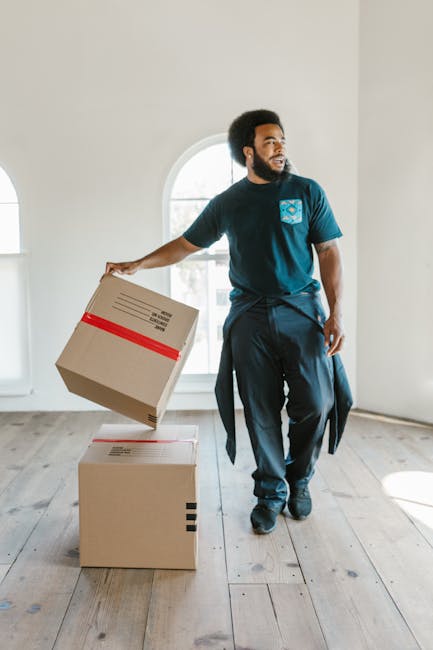
Why Wealdstone man and van packing and moving for flats Matters
Flat moves are rarely as simple as "pack, load, drive, unload". In Wealdstone, the reality often includes shared entrances, limited parking, lift access that may or may not be working, and stairs that seem to have been designed by someone with a grudge. A man and van service that also supports packing is valuable because it deals with the whole moving chain, not just the final drive.
This matters for three reasons. First, flats usually have more access challenges than houses. Second, smaller living spaces often mean furniture has to be dismantled, wrapped, and moved in sections. Third, time pressure is common. Landlords, agents, end-of-tenancy deadlines, and moving-day key handovers do not wait for you to find another roll of tape.
For local moves, small details make a big difference. A driver who understands residential streets and access patterns can often save you a lot of stress. If you are moving within the broader Harrow area, it can be useful to read a local perspective such as the guide to narrow-street moving tips. It is not just about roads; it is about timing, loading, and not blocking a neighbour's entire morning, to be fair.
Practical takeaway: if your flat move involves stairs, limited parking, boxed-up belongings, and a tight deadline, a combined packing-and-moving service is usually more efficient than trying to coordinate separate help.
How Wealdstone man and van packing and moving for flats Works
At its simplest, the service combines two jobs: preparing your items properly and moving them in a suitable van with the right number of hands. But the good versions of this service do much more than carry boxes from A to B. They help you sort what should be packed first, wrap fragile items, protect furniture, and load everything in a way that reduces damage.
A typical flat move might start with an assessment. You explain what you are moving, how many rooms are involved, whether there are stairs or lifts, and whether any bulky items need disassembly. From there, the mover can judge the van size, the number of people needed, and whether extra packing support is sensible.
On moving day, the process usually runs like this:
- Protection materials are prepared for fragile or bulky items.
- Furniture is dismantled where needed, such as bed frames or shelving.
- Boxes are loaded by room or priority, so unpacking is easier later.
- Large items are carried carefully through communal spaces and down stairs.
- The van is packed to reduce movement in transit.
- Everything is unloaded at the destination and placed in the right rooms where possible.
The packing side is often underestimated. Good packing is not just about making boxes look neat. It is about weight distribution, cushioning, labels, and making sure the box does not fold in on itself halfway down the stairs. If you want a deeper look at that side of the job, the company's packaging and boxes service is a useful reference point.
Key Benefits and Practical Advantages
The main benefit is obvious: less stress. But there are several more practical advantages that are easy to miss until you have lived through a bad move.
1. Faster preparation
When packing and moving are handled together, there is less back-and-forth between separate providers. You do not need to explain the same details twice. That sounds small, but on moving week, small things are everything.
2. Better handling of flat access
Flat moves often involve tight corners, shared hallways, stairwells, and awkward turns. A good mover plans for this in advance rather than discovering it at the bottom of the stairs with a mattress that will not bend. Not ideal.
3. Less risk of damage
Proper wrapping, bagging, boxing, and loading reduce the chance of breakage or scratches. That includes both your items and the building itself. Doors, bannisters, painted walls, and lifts are all worth protecting.
4. Easier unpacking
When boxes are labelled by room and priority, you are not left hunting for the kettle at 9 p.m. while standing in a sea of cardboard. Been there, regretted it.
5. More predictable costs
Combining services can sometimes make pricing simpler, especially if the mover can assess the job as a whole. For a better sense of how quotes are handled, see the company's pricing and quotes information.
| Benefit | Why it matters for flat moves | What you gain |
|---|---|---|
| Integrated packing and moving | Reduces coordination stress | One plan, fewer delays |
| Local access awareness | Helps with stairs, parking, and entrances | Safer handling and fewer surprises |
| Room-based labelling | Makes unpacking simpler | Faster settling-in |
| Furniture protection | Reduces damage in tight spaces | Better peace of mind |
Who This Is For and When It Makes Sense
This type of service suits a wide range of movers, not just people with large loads. In fact, flat moves are often where a man and van setup makes the most sense because the property size, access, and volume do not always justify a larger removal operation.
It is a strong fit if you are:
- moving from a studio, one-bed, or two-bed flat
- leaving rented accommodation on a fixed date
- moving between nearby areas and want a quick, practical service
- unpacking alone and want help getting boxes and furniture into the right rooms
- dealing with fragile items, awkward furniture, or limited lift access
- short on time and need support with packing as well as transport
It can also be a smart choice for students, first-time renters, and people downsizing. The service is especially useful when you do not need a full-scale house removal but still want proper handling. If you are moving into shared accommodation, you may want to compare with student removals in Harrow and man and van options in Harrow to see which setup feels most practical.
And sometimes the reason is simply this: you are tired, the lease is ending, and you would rather not ask three mates to carry a wardrobe down the stairs on a Sunday. Completely fair.
Step-by-Step Guidance
If you want a smooth flat move in Wealdstone, the easiest way to think about it is in stages. Break the job into manageable parts. Otherwise it starts to feel like a mountain of cardboard and decisions.
1. Walk through the property room by room
Before packing, note what is staying, what is going, and what needs dismantling. Check wardrobes, cupboards, under beds, and balcony storage. Flat moves often involve hidden items that are left until the last minute.
2. Separate essentials from everything else
Pack a small overnight bag with chargers, toiletries, documents, keys, and one change of clothes. Keep kettle items, tea, and basic snacks easy to reach. Honestly, that first cup of tea at the other end can feel like a minor victory.
3. Sort packing materials early
Use strong boxes, tape, marker pens, wrapping paper, and protective material for breakables. If you have awkward objects such as mirrors, lamps, or kitchen glassware, take extra care. A well-packed box is usually easier to move than a loosely stuffed one, even if the box itself looks boringly perfect.
4. Label clearly and consistently
Mark each box with the room name and a quick note on contents. For example: "Kitchen - plates and mugs" or "Bedroom - books, heavy". That one word, heavy, can save a lot of back strain.
5. Measure furniture and access points
Check widths of doorways, stair turns, lifts, and hallways. If a sofa only just fit through the old flat when it was delivered, do not assume it will magically behave on moving day. Measure twice. Swear once, maybe.
6. Confirm the loading plan with your mover
Tell them about parking, floor level, building rules, and whether there are time restrictions for loading. If you are unsure about the type of vehicle needed, a removal van page can help you understand the practical side of van size and use.
7. Load in a sensible order
Priority items and fragile boxes should be loaded where they are safest. Heavier items usually go low and stable. Softer items can fill gaps. Good loading is a bit like Tetris, only less fun and more important.
8. Unload strategically
When you arrive, place boxes in the correct rooms first. Do not aim for perfection straight away. A decent system beats a heroic scramble every time.
Expert Tips for Better Results
Some of the best moving-day wins come from things that are simple but surprisingly easy to overlook. Here are a few that genuinely help.
- Pack by function, not just by room. If you work from home, keep your laptop, chargers, and important cables together so you can get set up quickly.
- Use fewer, stronger boxes. Overfilled boxes are miserable to carry and more likely to burst. Medium-sized boxes are often the sweet spot.
- Keep screws and fittings in labelled bags. Tape them to the item they belong to, or keep them in a single clearly marked pouch.
- Photograph cable setups before unplugging anything. Future-you will be grateful. Very grateful.
- Tell the mover about fragile or valuable items in advance. That includes artwork, mirrors, musical instruments, and anything sentimental.
- Plan for building etiquette. Quiet loading, clean hallways, and careful lift use matter in shared blocks.
A small but useful habit is to pack a "first night" box. Put in bedding, bathroom basics, basic cookware, and a phone charger. It saves a surprising amount of rummaging when you are tired and surrounded by unopened cartons.
If sustainability matters to you, think about how you will reuse or recycle packing materials after the move. The company's recycling and sustainability page is a sensible place to look for the wider approach.

Common Mistakes to Avoid
Most moving problems are not dramatic disasters. They are small avoidable things that build into a stressful day. The good news? Most of them are fixable with a bit of planning.
Leaving packing until the final evening
This is the classic one. You tell yourself you will be efficient, then suddenly it is 11 p.m. and the kitchen is half packed, the tape has gone missing, and someone is standing in a bin bag full of soft furnishings. Not the dream.
Underestimating access issues
Flat moves are full of surprises: low-ceiling stairwells, no parking outside, or a lift that breaks at the worst possible moment. Give the mover the full picture early.
Packing heavy items into oversized boxes
Books, tools, and kitchen crockery should not live in enormous boxes if you want to carry them safely. Smaller boxes are often better for dense items.
Failing to protect communal areas
Scratched walls or damaged doors can create awkward conversations later. Good movers take care, but your packing choices also matter. Corner protection, proper wrapping, and clear routes all help.
Not checking what is included in the service
Some services focus mainly on transport, while others include packing materials, furniture disassembly, or unloading help. Do not assume. Ask clearly.
Ignoring storage needs
Sometimes move-out and move-in dates do not line up neatly. If you need temporary storage, plan early rather than improvising at the last minute. You can explore options through the company's storage service if that fits your situation.
Tools, Resources and Recommendations
You do not need a warehouse of gear to move a flat well. A few solid tools and a simple system go a long way. In our experience, people often make the job harder by buying too much packaging fluff and not enough proper tape.
| Tool or item | Why it helps | Best use |
|---|---|---|
| Strong cardboard boxes | Supports safer stacking and carrying | Books, kitchenware, clothing |
| Packing tape | Keeps boxes secure during handling | Sealing, reinforcing corners |
| Marker pens | Makes labelling quick and obvious | Room labels, fragile warnings |
| Bubble wrap or paper wrap | Protects breakables | Glass, ceramics, lamps |
| Furniture covers/blankets | Reduces scuffs | Sofas, tables, wardrobes |
| Zip bags | Keeps fixings together | Screws, brackets, cables |
For people who want a more hands-off move, combining packing materials with moving help can be a clean solution. It is worth checking whether a provider offers both basic loading and full packing support. The company's man with a van and man with van service pages can help you compare the practical setup, while furniture removals is useful if bulky items are a big part of the move.
One more thing: keep a permanent marker and a small roll of tape in your personal bag. Small detail, massive annoyance if missing.
Law, Compliance, Standards, or Best Practice
Flat moves sit in a fairly ordinary but still important practical space: you are moving property, using shared buildings, and relying on a service provider to handle items safely and responsibly. While this article is not legal advice, a few sensible UK best practices are worth keeping in mind.
Insurance and care: Ask what level of insurance and handling support is in place for transit and loading. Good providers should be able to explain their approach in plain language. The company's insurance and safety information is a useful place to look for that kind of reassurance.
Health and safety: Lifting technique, safe stacking, and clear walkways matter, especially in stairwells and communal areas. You do not want a rushed lift turn becoming a back injury or a chipped wall. The health and safety policy page exists for exactly this reason.
Building rules and access: Many flats and managed buildings have moving-time restrictions, lift booking rules, or parking limitations. Always check with your landlord, managing agent, or building management before moving day.
Payment clarity: Make sure you understand what is included in the quoted price, when payment is due, and whether extras apply for waiting time, stairs, or additional packing. For a clearer overview, see the company's payment and security page.
Terms and service boundaries: Read the relevant service terms before confirming anything. It is not thrilling reading, I know, but it avoids surprises later. The terms and conditions page is there for a reason.
Options, Methods, or Comparison Table
If you are deciding between doing everything yourself or using a more supported service, this table should help you weigh it up. There is no universal best answer. It depends on time, budget, and how much lifting you want to do personally.
| Option | Best for | Pros | Limitations |
|---|---|---|---|
| DIY move | Very small loads and short distances | Lowest direct cost if you already have help | High effort, higher risk of damage, more time-consuming |
| Van hire only | People who can pack and load themselves | More flexible than a full removal service | You still do the lifting and organising |
| Man and van | Flat moves with moderate volumes | Practical, efficient, usually quicker than DIY | Packing support may be limited unless arranged separately |
| Packing plus moving service | Busy movers, fragile items, awkward access | Most convenient and organised approach | Usually costs more than transport only |
If you live in a flat and want a solution that feels calm rather than improvised, the combined packing-and-moving route is often the easiest to live with. That said, if you only have a few boxes and one chair, a full service may be overkill. It depends on the job in front of you, not the label on the service.
Case Study or Real-World Example
Imagine a one-bedroom flat in Wealdstone with a bed, sofa, desk, TV unit, kitchenware, and about 18 boxes. The flat is on the second floor, the lift is small, and there is limited roadside parking. Nothing dramatic. Just the sort of move that can become annoying if it is not planned well.
In that situation, the packing step starts a couple of days ahead. Fragile kitchen items are wrapped first. Books go into smaller boxes. Clothing is grouped by season. The bed frame is dismantled, screws are bagged and labelled, and the TV is packed separately so it can be loaded safely.
On the day, the mover arrives with the right van size and a simple loading plan. Heavier boxes go in first and low down. Softer items fill the gaps. The sofa is protected before it leaves the building. Because the boxes are labelled, the unloading at the new flat is quick: kitchen items in the kitchen, bedding in the bedroom, work items straight to the desk area. Not glamorous, but efficient. And honestly, efficiency is the glamour of moving day.
The real benefit here is not just speed. It is the lack of friction. Fewer trips. Less back strain. Less standing around in the hallway wondering whether the table will fit. That is the sort of move people remember as "fine, actually", which is a very good outcome.
Practical Checklist
Use this checklist to keep your flat move on track. Print it, copy it, scribble on it - whichever works.
- Confirm the move date and time window
- Check lift access, stairs, and parking arrangements
- Ask what packing help is included
- Gather boxes, tape, markers, and protective wrap
- Pack valuables and essentials separately
- Label every box clearly with room and contents
- Dismantle bulky furniture early if needed
- Protect floors, walls, and communal areas where possible
- Set aside documents, keys, chargers, and medication
- Prepare a first-night bag with the basics
- Confirm payment terms and any extra charges in advance
- Plan for storage if the dates do not line up
Expert summary: the smoother flat moves are usually the ones where packing starts early, access details are checked properly, and the mover knows exactly what is being carried. Simple, yes. But that simplicity comes from preparation, not luck.
Conclusion
Wealdstone man and van packing and moving for flats is really about making a compact move feel manageable. You are not just hiring a vehicle. You are choosing a way to reduce strain, avoid damage, and get from one flat to the next without turning the day into a puzzle you never wanted to solve.
The best results come from clear planning, sensible packing, and a mover who understands flat access, local streets, and the small complications that come with apartment living. Whether you are moving a student flat, a first home, or a long-time rental, the right support can make the whole thing calmer and more controlled.
If you want to keep exploring your options, a good next step is to review the available removal services in Harrow or find out more about the team behind the service. If you are ready to talk through your move, you can also use the contact page to start the conversation.
Get a free quote today and see how much you can save.
Sometimes the best move is the one that feels almost uneventful. That quiet, steady kind of move. Truth be told, that is what most people want.